

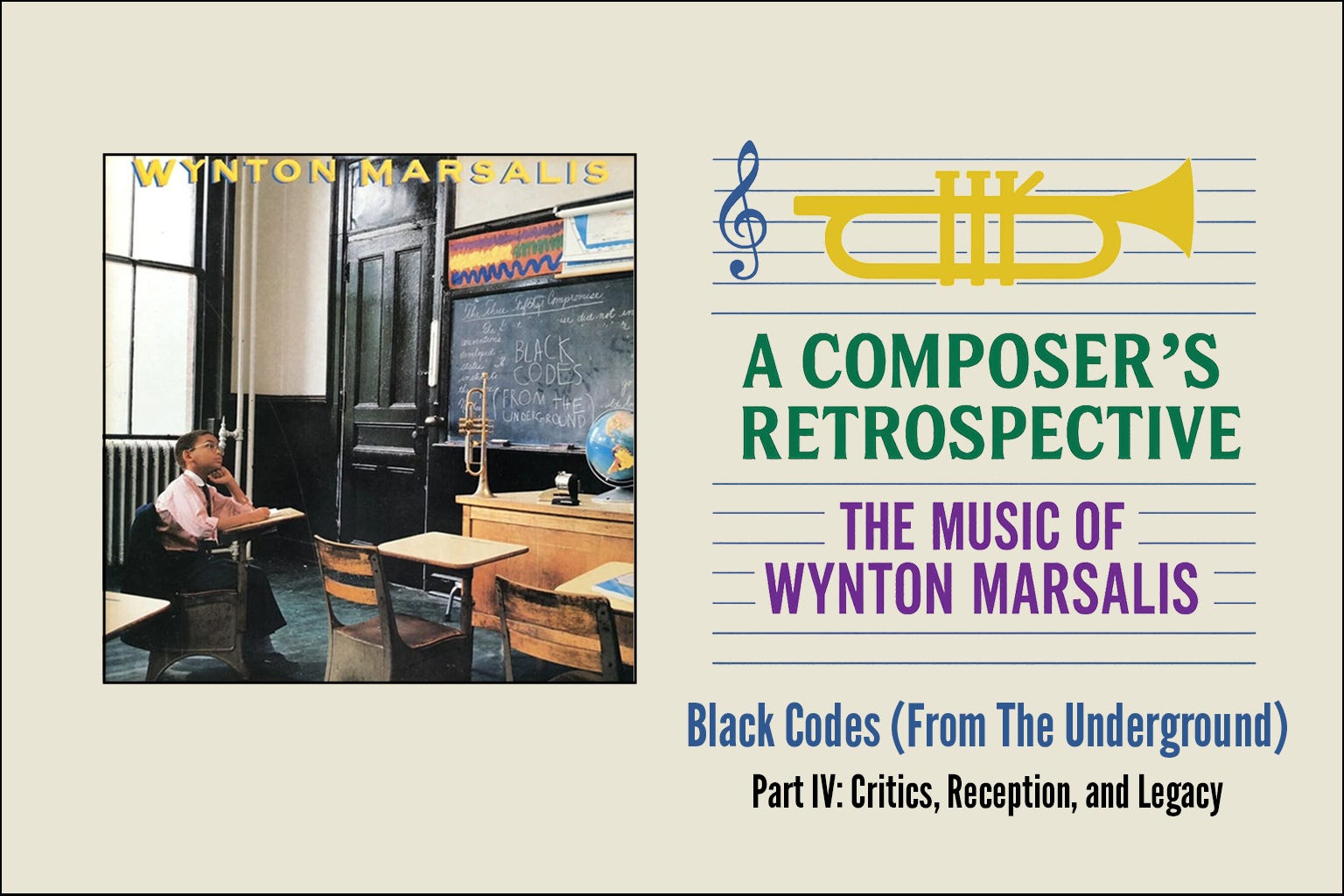
When Black Codes (from the Underground) released on June 9, 1985, it was received with a lot of praise and recognition. Even at this time, it was understood as an important landmark for Wynton Marsalis as a musician, being an album composed of originals instead of jazz standards. It’s easier to understand this album as a personal artistic statement rather than just another good album.
After its release, it peaked at number 2 on Billboard’s Jazz Albums chart and broke into the Top 200 overall. It also won two Grammy Awards in 1986 for Best Jazz Instrumental Group and Best Jazz Soloist.
The Breakup of the Band
Interestingly the album was released just a week before Sting’s debut solo album, The Dream of the Blue Turtles, which featured Branford Marsalis and Kenny Kirkland in the band. Following this decision by both musicians to leave the band and play on this album, Wynton eventually hired Marcus Roberts to fill the piano spot and Robert Hurst would later take the bass chair with the band downsizing to a quartet.
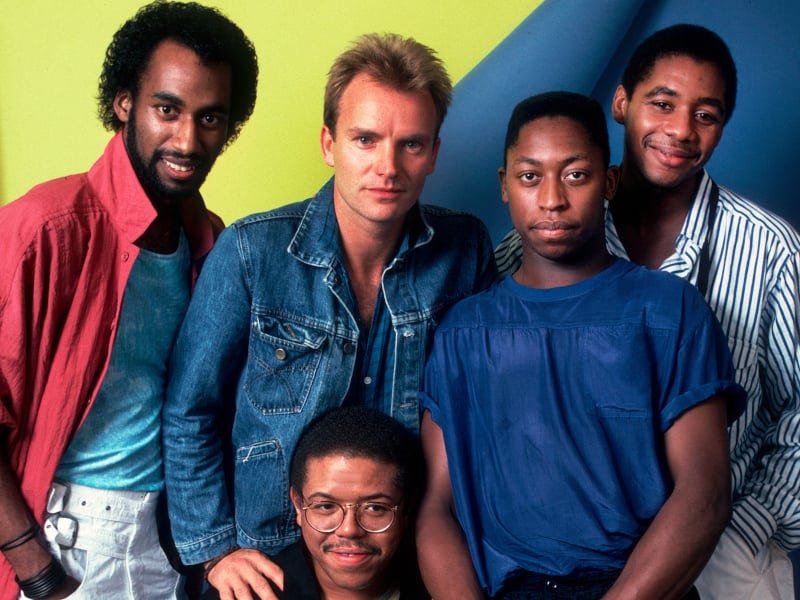
This moment has always been central to the discussion of Black Codes. One cannot miss the irony of an album that speaks of the ills of commercialism and its influence on music as a form of “voluntary slavery” being marked by two musicians from the band, including Wynton’s brother Branford, playing on a pop rock album.
Often getting left out of this moment are the musicians Branford and Kenny Kirkland themselves. It becomes more of what this moment symbolizes for Wynton’s rhetoric and the irony of it all, and less about two musicians making decisions for their own careers. For Kenny Kirkland, it should come as no surprise. He was a musician that has always displayed an openess to play across many different genres. This was not his first foray into pop music.
